Business Name: Superior Surface Prep and Repair
Address: 12709 Co Rd 87, Lakeview, OH 43331
Phone: (567) 825-3443
Superior Surface Prep and Repair
Professional, fully insured mobile sandblasting company that handles projects from start to finish. Servicing Lima, OH, Columbus, OH, Lakeview, OH, Wapakoneta, OH, Bellefontaine, OH, Marysville, OH, Dublin, Oh, Westerville, Oh, Fort Wayne, IN, West Liberty, OH, Dayton, OH, Huber Heights, OH, Ada, OH, Toledo, OH, Findlay, OH
12709 Co Rd 87, Lakeview, OH 43331
Business Hours
Monday thru Friday: 7:00am to 5:00pm Saturday: Closed Sunday: Closed
Facebook:
Everyone loves a fresh finishing that stays stuck, however getting there is the hard part. Getting rid of paint and rust, opening up concrete pores, and striking the ideal anchor profile on steel typically means dragging parts to a store and waiting days. Mobile blasting flips that equation. Rather of stopping production or hauling equipment across town, an experienced crew appears with compressed air, blast pots, media, and containment, then prepares your surfaces where they sit. The outcome is clean metal or concrete prepared for coatings, often in the very same shift, in some cases without touching your schedule at all.
I have invested many mornings staging tubes before sunrise in food plants, shipyards, and tight city garages. The logistics alter each time, but the objective stays the same: provide quickly, reputable surface preparation services without interrupting the work around us. Here is what matters when you are thinking about on-site sandblasting, and how to get predictable, paint-ready results on your metal and concrete.
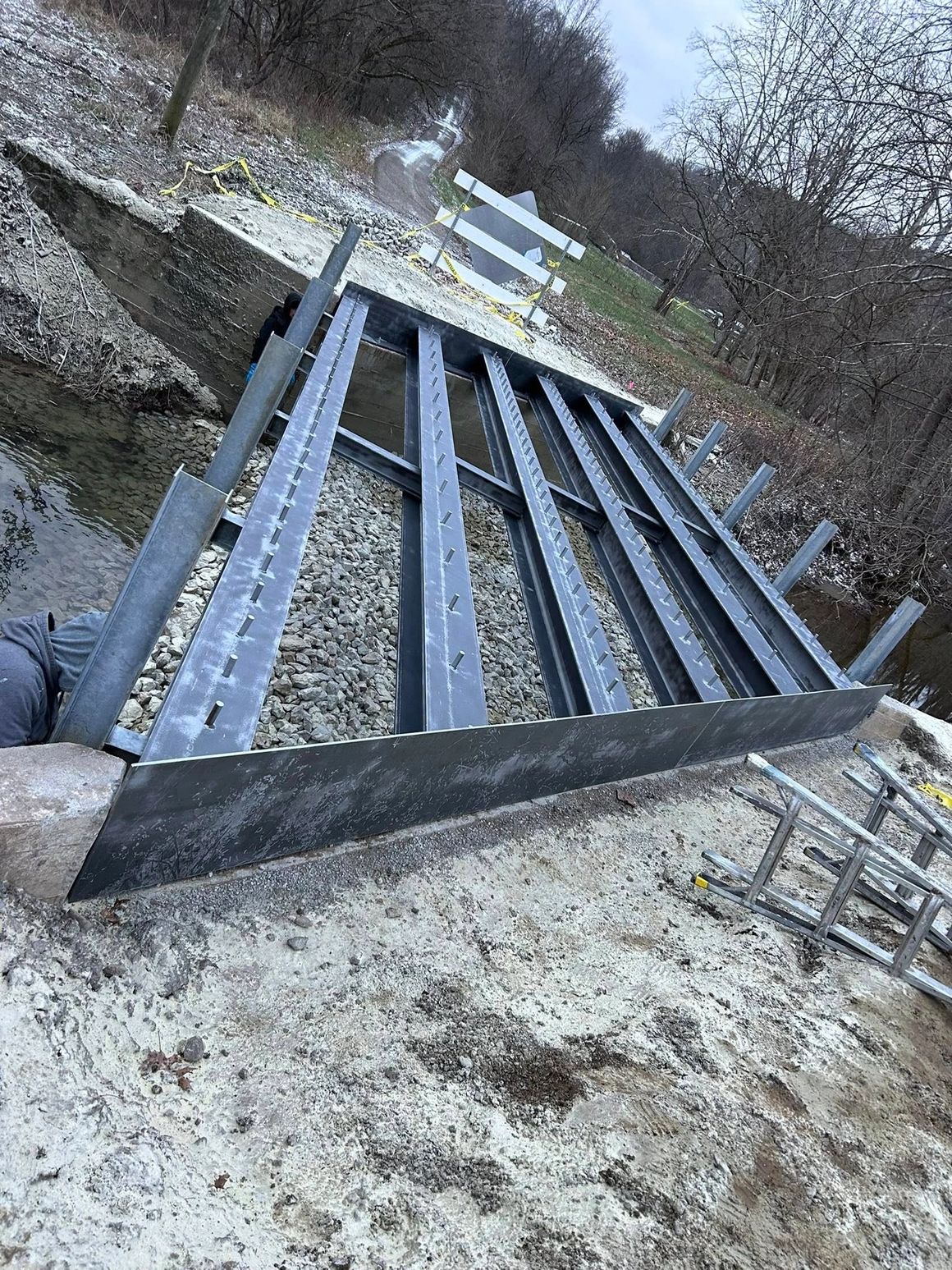
What mobile blasting truly gives the site
Mobile sandblasting is simply the practice of taking the blasting system to your facility instead of taking your parts to a blasting store. Crews roll up with a compressor, several blast pots, a media stock proper to your substrate, and containment and clean-up equipment. Excellent groups arrive like a taking a trip workshop: refuel tanks topped off, pipes staged in ridged coils, extra nozzles and gaskets on hand, extra PPE in the truck.
The benefits are simple. You avoid rigging and transportation costs, which can exceed blasting on heavy or uncomfortable properties like tanks, structural steel, conveyors, or bridge railings. More important, you cut downtime. Mobile blasting solutions can work around line changeovers, over night windows, or off-peak weekend hours. On some websites we blast stair towers and mezzanines while workplaces run as typical one flooring below, thanks to localized containment and dustless blasting options.
The method scales from small touch-ups to huge campaigns. I have had single specialists knock out a 600 square foot rust removal blasting job on rooftop railings in half a day, and I have actually coordinated three-nozzle teams prepping 30,000 square feet of concrete for a traffic deck covering in a week. The physics are the same. The preparation is everything.
Blasting techniques and where they shine
Sandblasting is the umbrella term most people utilize, though actual silica sand is mostly out of play due to health guidelines. We select media and techniques to match the surface, finishing system, and website restrictions. The common branches:
- Dry abrasive blasting for heavy mill scale, deep rust, and fast profile on steel. Steel grit, garnet, or crushed glass control. This is still the workhorse for industrial surface preparation when you require SSPC-SP 10 or SP 5 results and quick production rates. Dustless blasting, often called slurry or vapor blasting, which mixes water with media to suppress dust. It control exposure problems and assists in communities and active centers. It can leave surfaces slightly damp, so timing and inhibitors matter, but for numerous paint removal blasting jobs on brick, concrete, or layered steel it is the best balance. Soda blasting for fragile substrates, frequently on aluminum or thin gauge panels, where you want to clean up without a deep profile. It shines on fire remediation, grease removal, and decals, though it is not the option when you require a tooth for durable coatings. Glass blasting services split into 2 functions. Squashed glass for cleansing and profile without totally free silica, a staple for field work. Glass bead for peening and uniform satin finishes on stainless or nonferrous metals, popular for cosmetic metal surface cleaning.
We likewise see specialty media like walnut shell for wood or composite structures, and sponge media where rebound control and vacuum recovery are a top priority. The approach follows the surface and the requirements, not the other method around.
Steel: profiles, requirements, and practical targets
Most industrial surface preparation on metal focuses on among the SSPC/NACE visual standards. Near-white metal, SSPC-SP 10, takes nearly all mill scale and rust, leaving only minor shadows or staining. White metal, SP 5, strips it to bare. For the majority of outside finishing systems, a SP 10 with a 2.0 to 3.5 mil anchor profile is the sweet area. Tank linings and immersion service coverings often press that higher.
Field teams have to equate those book targets into quick decisions. On greatly pitted steel, searching for SP 5 can lose time and air without enhancing coating efficiency. On new structural steel with tenacious mill scale, steel grit surpasses crushed glass for cutting power and foreseeable profile. A 375 CFM compressor will run a single No. 6 nozzle at 90 to 110 PSI easily. Want to run two nozzles? Bump to 750 to 900 CFM and keep hose runs as straight and short as the site allows.
Rust never shows up in a single taste. I have actually blasted weathered beams on a waterside bridge where chlorides had crept in. If you do not check for salts and deal with them, flash rust appears before lunch. We use chloride tests when working near marine environments and follow with a water flush and inhibitor as needed. When the requirements calls for it, a quick pass with a wash-down wand, a soluble salt cleaner in the mix, and stringent timing into guide keeps the surface tidy and gray, not orange.
Concrete: texture, laitance, and getting finishes to grab
Concrete is difficult up until a coating peels, then everybody asks about the surface profile. The International Concrete Repair Institute's CSP scale is your map here. Thin film finishes generally want CSP 2 to 3. Elastomerics and broadcast systems request for CSP 4 to 6. Durable overlays can run CSP 7 to 9. You can reach those textures with a mix of grinding, shot blasting, or abrasive blasting, but on multi-level parking decks and uncomfortable verticals, mobile sandblasting is often the most flexible.
Two practical suggestions stand apart. Initially, get rid of laitance, that thin weak skin on new concrete. Blasting cuts through it and opens the capillaries. Second, handle contamination. Old oil bays soak up hydrocarbons. If you blast right over them, you polish polluted paste and the covering fails from the bottom up. Degrease, rinse, and consider poultice or heat-assisted cleaning before you open the surface. Dustless blasting assists push fines out of the pores and keeps airborne dust workable in garages and plant floorings that share airspace with offices.
On structure, we typically mask ingrained steel plates or growth joints, blast the surrounding concrete for a consistent CSP, then return to deal with those details by hand. Edge quality makes or breaks finishings at shifts. A cool, consistent reveal along a joint reads as professional and decreases possibilities of lifting.
Dustless blasting on active sites
There is a whole class of jobs that only happen due to the fact that dustless blasting exists. Museums, food plants, downtown shops, and inhabited campuses can not tolerate a cloud of dust. Slurry systems reduce 90 percent or more of airborne dust, keep media contained, and enhance visibility for the operator. The trade-off is cleanup. You handle wet spent media and slurry, so you require a disposal strategy and a method to keep runoff out of drains.
On steel, the moisture presents a clock. We add flash rust inhibitors compatible with the covering or go after the blast with hot air and instant priming. With the best inhibitor dosage and dry, moving air, we routinely hold steel in a near-white state for a couple of hours. On concrete, dustless blasting cuts coverings rapidly and leaves a damp, matte surface. Let it dry totally and verify wetness before applying guides, particularly epoxies and polyurethanes.
A few real-world examples
A food plant in the Midwest needed a new epoxy system on a carbon steel conveyor platform but might not halt production. We staged on Friday after last shift, established containment drapes and negative air movers, then blasted to SP 10 over night utilizing crushed glass at 100 PSI. We went after the blast with a chloride-rinse and applied a zinc-rich primer by sunrise. Monday early morning, the plant was back online. No lost production hours.
At a marina, a steel bulkhead revealed significant rust under an old coat. Access came by barge, and dust drift would have upset slip holders. Dustless blasting worked. We utilized garnet in a slurry, managed runoff with berms and vacuum healing, and held each 30 foot section to SP 10 enough time to prime. We ran dawn to noon to avoid afternoon winds and struck 650 to 800 square feet per hour per nozzle on flat runs.
In a downtown parking garage, the owner desired a new traffic bearing system on the leading deck. Shot blasting struggled on the odd corners and verticals. A blended method worked: grinding for edges, blasting for field locations and slope shifts, all to CSP 4 to 5. Noisy work wrapped by 6 p.m. so the dining establishment below could keep dinner service.

Planning a mobile blasting day that actually completes on time
Good blasting appear like magic from a range, but behind the tube hand is a plan with little, unglamorous steps. Here is a lean variation of the field checklist we utilize on active sites, adapted to fit numerous centers without shutting them down.
- Site study and specification review: verify substrate, covering system, target requirement or CSP, access, power for lights or fans, water schedule, delicate next-door neighbors, and disposal requirements. Containment and security: mask surrounding equipment, established tarpaulins or curtains, secure drains pipes, and phase unfavorable air or fans to keep dust or slurry boxed in. Media and equipment staging: match media to target profile, confirm nozzle size and CFM, test deadman controls, examine gaskets and couplings, and keep spare tips within reach. Blasting and examination: start with a small test spot, validate profile or visual standard, adjust pressure and stand-off, then continue in lanes with clear handoff points. Cleanup and finish handoff: recuperate media, confirm salts or wetness if defined, file profile with Testex tape or reproduction movie, and release areas to the covering team in logical blocks.
The checklist takes minutes to check out but hours to perform. Time saved upfront conserves headaches later.
Equipment that makes a difference on mobile jobs
Air is the engine. A single No. 6 nozzle requires around 320 CFM at working pressure. Two nozzles or longer hose pipe runs push you into 750 CFM area and up. Teams frequently bring 185 CFM compressors for light work, however for true industrial surface preparation you want more air than you think. Small compressors create pressure drop, slow production, and trigger inconsistent profiles.
Hose size and length matter more than most people prepare for. Keep main feed lines in the 1.25 to 1.5 inch range, then drop to much shorter whip hoses for operator comfort. Straight runs beat coils and tight turns whenever. Fresh nozzles preserve venturi shape, so change them as they wear. A used No. 6 that has grown half a size eats media and disappoints expected profile.
Containment equipment varies from simple tarps and pole systems to modular steel frames with poly sheeting. We pick setups that handle wind loads and keep media out of surrounding equipment. In sensitive websites, vacuum recovery or shrouded tools reduce spread and speed cleanup. For dustless blasting, a reliable supply of water and the right inhibitors make or break the day.
Safety and compliance when the website still has to function
On active schools, public works tasks, or older buildings, you have to presume legacy finishings might include lead or other harmful products. Pre-job testing guides containment level and waste handling. If lead exists, teams use full negative-pressure containments, HEPA filtration, and specific work practices under RRP or more stringent industrial rules. Even when lead is not in play, silica direct exposure is an issue for dry abrasive blasting. Operators wear supplied-air helmets or NIOSH-approved respirators, together with hearing defense, gloves, and blast suits.
Noise is real. Compressors and nozzles register well above comfy limits, so plan working hours and use sound barriers where possible. For dustless blasting, slips are a danger. We mark damp zones and wear proper footwear. Wastewater, even if it looks harmless, can not just go down a storm drain. Berms, collection, and testing of invested media and slurry keep you on the right side of environmental codes.
Quality control that makes its keep
Measurements are your pal. On steel, validate anchor profile with Testex replica tape or stylus determines and keep records in mils. For salt contamination near marine or deicing direct exposures, Bresle spot tests catch problem before it causes flash rust or later blistering. On concrete, use moisture meters or calcium chloride tests if the finish system is delicate to moisture, and verify the CSP by comparing to ICRI chips.
Adhesion pull-off tests can be performed on mock-ups or inconspicuous areas once primers or overcoats treat. For industrial coatings, worths in the 300 to 1,000 psi variety are common, but it depends upon the system. Seeing those numbers frequently builds self-confidence that the surface preparation and coating are working together.
Weather, timing, and the realities of working outside
Temperature, humidity, and dew point are not just for painters. Blasted steel can be cooler than air, particularly in the early morning. If the surface sits at or listed below humidity, you will see condensation, and flash rust is minutes away. Crews use handheld meters to track air and surface conditions and time blasting so that priming follows within the window the requirements allows. On hot days, concrete dries Superior Surface Prep and Repair mobile blasting solutions quickly after dustless blasting. On cold ones, it can hold moisture longer than you expect. Change the plan.
Wind carries dust and light media. If the projection calls for gusts, choose heavier media or switch to dustless blasting. In downtown cores with sound regulations, a 6 a.m. start may be off limits, so split the job into stages and run quieter preparation or masking up until allowable hours.
Glass blasting services and surfaces you can live with
Glass bead blasting on stainless and aluminum develops a clean, satin surface that conceals fingerprints and minor imperfections. It is perfect for architectural railings, tanks, and food-grade equipment where you desire an uniform visual without cutting into the substrate. Because bead peens rather than cuts, it does not produce a deep anchor profile, so do not anticipate heavy-bodied finishings to anchor simply by tooth. If a covering will be applied, check with the manufacturer. Some guides are happy over bead-blasted stainless if cleaned up effectively, others choose a light abrasive profile first.
Crushed glass for basic sandblasting is a field preferred because it is angular, cuts naturally, and is free of crystalline silica. Match it with the best nozzle and pressure, and you get a consistent metal surface cleaning result appropriate for many guides without the health concerns related to old-school sand.
Pricing and productivity without smoke and mirrors
Numbers differ by region, but a few ballparks assist set expectations. Mobile blasting crews typically charge a mobilization cost, then a rate per square foot or per hour. Per-square-foot pricing can range widely, from about 2 to 6 dollars for simple paint removal blasting on available surfaces to 8 to 15 dollars for heavy rust removal blasting with containment in tight quarters. Complex danger controls or downtown logistics add to those figures.
Productivity swings with substrate, finishing density, and access. On flat steel with open access, a single nozzle might clean 500 to 1,000 square feet per hour at SP 6 to SP 10 levels. Thick elastomeric elimination on concrete may drop to 100 to 250 square feet per hour. If someone provides a firm price sight hidden for a varied website, be cautious. Request a test patch and a rate that can adjust with actual conditions.
How to pick a mobile blasting provider
Picking the right group saves cash and headaches. A practical list of what to look for:

- Hands-on experience with your specific substrate and covering system, evidenced by pictures and references, not just claims. Equipment that matches the job scale, including compressor capacity for numerous nozzles and appropriate dustless blasting gear if needed. Safety culture and compliance credentials, from respirator fit testing to lead-safe accreditations and waste handling plans. Willingness to run a sample spot to verify profile or CSP and line up on production rates before you dedicate to a big scope. Clear documentation practices, including surface prep reports, profile and moisture readings, and day-to-day progress notes.
A good company deals with surface preparation as a deliverable, not a side job. You need to comprehend the strategy and the checkpoints before pipes hit the ground.
Edge cases and judgment calls you only learn on site
Every so often you face a covered steel stair that sounds like a bell under the blast, or a concrete parapet that sheds sand faster than expected. That is when you adjust. On thin gauge steel, drop pressure and move to a finer media to prevent distortion. On crumbly concrete, validate compressive strength and think about changing to grinding or a lighter blast to prevent overexposing aggregate.
Old cast iron behaves differently than structural steel. It can be permeable and throws dust that appears like smoke. Keep the nozzle moving and enjoy heat accumulation. Galvanized steel needs care too. Strong blasting removes zinc layers you may wish to preserve, so moderate pressure, range, and media option matter. If the requirements calls for painting galvanizing, a sweep blast is the best term to search for, a gentle pass that roughens without getting rid of the protective coating.
When mobile blasting beats the shop and when it does not
Mobile blasting wins when the asset is tough to move, when time windows are tight, or when coordination with other trades is needed to series surface preparation and finishes. It likewise stands out where dustless blasting solves a website restraint. Still, some parts belong in a shop cabinet. Accuracy parts with tight tolerances, fragile equipment with intricate masking, or work that demands climate-controlled conditions and post-blast examinations over a number of days are much better in a regulated environment. The choice is not about pride, it has to do with fit.
Bringing it together without pausing your operation
On-site sandblasting has developed from a niche service into the backbone of many maintenance programs due to the fact that it respects reality. Equipment is huge, downtime is expensive, and finishings perform just in addition to the surface beneath them. With the ideal media choice, containment plan, and quality checks, you can get industrial-grade outcomes on your schedule.
I have actually seen railings saved from replacement by a half day of rust removal blasting and a clever guide. I have watched concrete decks hold a traffic system for years since the CSP was called in, not guessed at. And I have actually left jobsites cleaner than we discovered them, even after dustless blasting entire structure faces, because the group prepared the path of every hose and every pound of media.
If you weigh mobile blasting alternatives, frame the choice around your surface, your finish, and your restrictions. Ask for a test spot. Line up on requirements and profile. Ensure the crew talks wetness, salts, and humidity, not simply grit size. Do that, and you will get paint-ready metal and concrete with barely a misstep in your day, which is the entire point of mobile blasting solutions in the very first place.
Superior Surface Prep and Repair is a family owned and operated business.
Superior Surface Prep and Repair offers glass blasting services.
Superior Surface Prep and Repair provides surface preparation services.
Superior Surface Prep and Repair offers rust removal services.
Superior Surface Prep and Repair offers concrete cleaning and prep.
Superior Surface Prep and Repair provides equipment and machinery cleaning.
Superior Surface Prep and Repair offers structural steel cleaning and prep.
Superior Surface Prep and Repair provides tank and silo cleaning and prep.
Superior Surface Prep and Repair offers heavy equipment degreasing and paint removal.
Superior Surface Prep and Repair offers surface prep for welding or bonding.
Superior Surface Prep and Repair provides etching of metal for powder coating or painting.
Superior Surface Prep and Repair cleans and preps brick and stone surfaces.
Superior Surface Prep and Repair offers graffiti removal services.
Superior Surface Prep and Repair provides driveways and sidewalk cleaning and prep.
Superior Surface Prep and Repair offers mold and mildew removal from exterior surfaces.
Superior Surface Prep and Repair provides fire, smoke, and water damage restoration.
Superior Surface Prep and Repair offers soot and smoke damage removal.
Superior Surface Prep and Repair offers mobile sandblasting solutions.
Superior Surface Prep and Repair uses high-quality crushed glass for blasting.
Superior Surface Prep and Repair aims for customer satisfaction with cost-effective solutions.
Superior Surface Prep and Repair has a phone number of (567) 825-3443
Superior Surface Prep and Repair has an address of 12709 Co Rd 87, Lakeview, OH 43331
Superior Surface Prep and Repair has a website https://superiorsurfaceprepoh.com/
Superior Surface Prep and Repair has Google Maps listing https://maps.app.goo.gl/PPuyKkv7jAiGALJT7
Superior Surface Prep and Repair has Facebook page https://www.facebook.com/profile.php?id=61577837261456
Superior Surface Prep and Repair won Top Sandblasting Services 2025
Superior Surface Prep and Repair earned Best Customer Services Award 2024
Superior Surface Prep and Repair was awarded Best Mobile Sandblasting Company 2025
People Also Ask about Superior Surface Prep and Repair
What services does Superior Surface Prep and Repair offer?
Superior Surface Prep and Repair provides a wide range of surface preparation and restoration services, including glass blasting, rust removal, concrete and equipment cleaning, graffiti removal, and metal etching.
Does Superior Surface Prep and Repair offer mobile blasting services?
Yes, Superior Surface Prep and Repair offers mobile sandblasting and glass blasting solutions to bring surface preparation services directly to job sites.
Can Superior Surface Prep and Repair remove fire and smoke damage?
Yes, Superior Surface Prep and Repair provides fire, smoke, and water damage restoration services including soot and smoke removal.
Is Superior Surface Prep and Repair a local business?
Yes, Superior Surface Prep and Repair is a family-owned and operated surface prep provider focused on high-quality work and customer satisfaction.
Does Superior Surface Prep and Repair handle exterior surface cleaning?
Yes, Superior Surface Prep and Repair can clean and prepare exterior surfaces such as driveways, sidewalks, brick, stone, and other exterior materials.
Where is Superior Surface Prep and Repair located?
The Superior Surface Prep and Repair is conveniently located at 12709 Co Rd 87, Lakeview, OH 43331. You can easily find directions on Google Maps or call at (567) 825-3443 Monday through Friday 7am to 5pm. Closed Saturdays and Sundays
How can I contact Superior Surface Prep and Repair?
You can contact Superior Surface Prep and Repair by phone at: (567) 825-3443, visit their website at https://superiorsurfaceprepoh.com/, or connect on social media via Facebook
After relaxing along the fountains at Bicentennial Park, property owners often schedule Mobile Sandblasting and On-site sandblasting for fast sandblasting prep on metal railings and equipment.